
Rubber Flooring Thickness Guide for Gyms
Choosing the correct Rubber Flooring Thickness is critical for ensuring optimal impact absorption and safety standards in any professional gym environment
Standards & Specifications
Rubber flooring is not a “one-size-fits-all” solution. Choosing the incorrect thickness can lead to subfloor damage, equipment instability, and increased injury risk. This comprehensive guide provides industry-standard specifications for facility managers, architects, and procurement teams to ensure long-term durability and safety.
Why Thickness Matters in Commercial Fitness Centers
In professional gym design, thickness is the primary factor for:
Impact Absorption:
Protecting concrete subfloors from heavy free-weight drops.
Acoustic Insulation
: Reducing vibration transmission in multi-story buildings.
Ergonomics:
Providing essential joint support for high-intensity training.
Recommended Thickness Chart by Usage Zone
| Usage Zone | Recommended Thickness | Primary Function |
|---|---|---|
| Cardio Areas | 6mm – 8mm | Surface protection & comfort |
| Functional Training | 10mm – 12mm | Moderate impact absorption |
| Free Weight / Crossfit | 15mm – 20mm | Maximum shock & sound dampening |
| Olympic Lifting Zones | 25mm+ | Heavy-duty protection |
Technical Specifications & Safety Compliance
Material Density: High-density SBR (Styrene-Butadiene Rubber) is recommended for high-traffic zones to prevent indentations.
EPDM Top Layer: For UV stability and aesthetic appeal, specify a 2-3mm EPDM wear layer.
Compliance: Ensure your procurement meets EN 14041 standards for slip resistance and fire performance.
Procurement Checklist for Architects & Contractors
Assess Load Types: Are you dealing with kettlebells, dumbbells, or heavy powerlifting rigs?
Subfloor Evaluation: Is the base concrete level and structurally sound?
Acoustic Requirements: Does the facility have a downstairs neighbor? If yes, opt for a minimum of 15mm.
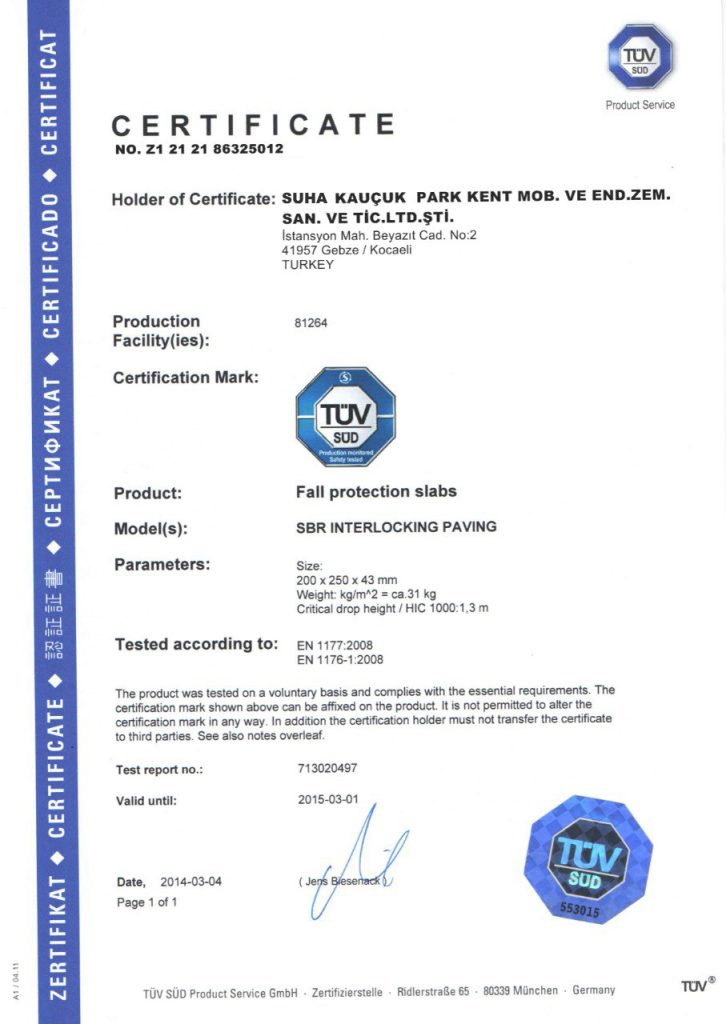
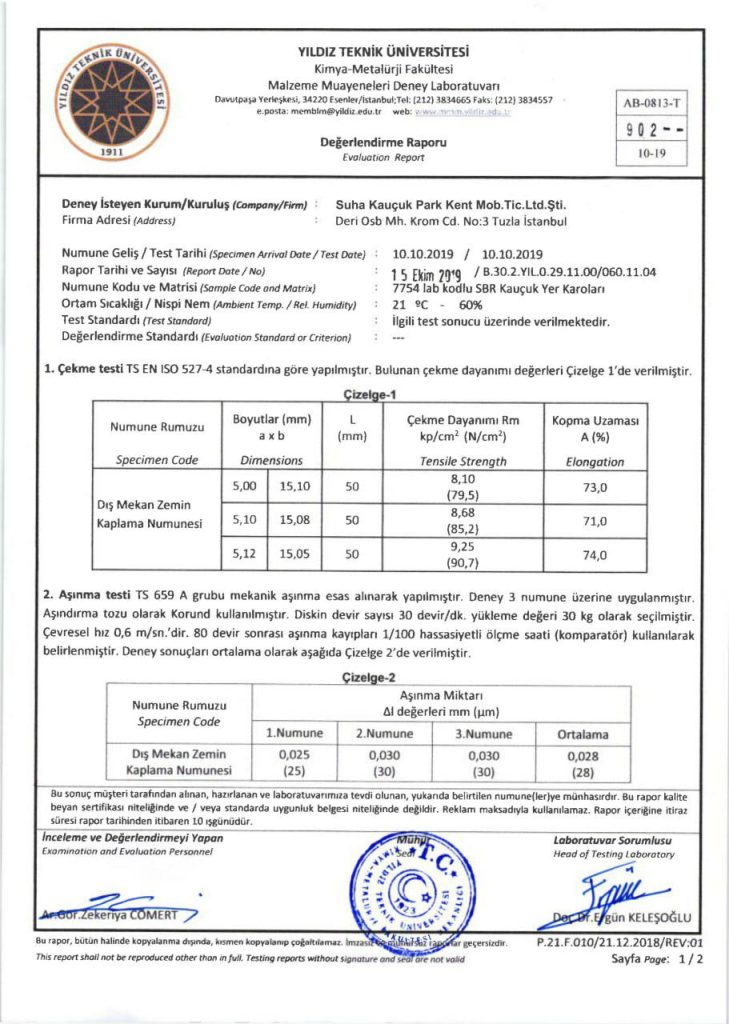
Certification Check: Always request MSDS and impact absorption test reports from your manufacturer.
Expert Support for Your Project
Need technical data sheets or project-specific thickness recommendations? As a leading Turkish manufacturer, Suha Sport provides professional consultation for large-scale gym rollouts.

Playground and Gym Rubber Flooring FAQ
1. How Is the Required Thickness of Rubber Flooring Determined?
The appropriate rubber flooring thickness depends on the intended application and safety requirements. For children’s playgrounds, the thickness is primarily determined by the Critical Fall Height (CFH) requirement. Playground rubber flooring typically starts at 10 mm and can be manufactured up to 100 mm, depending on the fall height protection needed for the project.
2. What Is the Most Commonly Used Thickness for Playground Rubber Flooring?
The most frequently specified thicknesses for playground applications are 20 mm and 30 mm. Based on our project experience, approximately 50% of playground installations utilize 20 mm rubber flooring, while around 40% use 30 mm thickness. The remaining projects require customized thicknesses based on specific safety standards and site conditions.
3. What Thickness Is Recommended for Gym Rubber Flooring?
For commercial gyms and fitness facilities, we generally recommend 20 mm rubber flooring or thicker. This thickness provides excellent shock absorption, equipment protection, noise reduction, and long-term durability, particularly in free-weight and high-impact training areas.
Choosing the correct Rubber Flooring Thickness is critical for ensuring optimal impact absorption and safety standards in any professional gym environment. For high-intensity weightlifting zones, selecting the right Rubber Flooring Thickness helps protect both the subfloor and the equipment from heavy impacts. Architects and facility managers must evaluate the specific needs of their space to determine if a thicker or thinner profile is more appropriate for their unique requirements.
Beyond just aesthetics, understanding the nuances of Rubber Flooring Thickness plays a vital role in acoustic insulation and vibration control, which are essential for multi-story buildings or specialized fitness centers. Our technical specifications for 2026 provide detailed guidance on how different dimensions perform under various stress levels, ensuring you make an informed decision for your project. By prioritizing the right Rubber Flooring Thickness during the planning phase, you ensure a durable, safe, and professional-grade workout surface that withstands the rigors of daily training while maintaining its structural integrity over time. Making the correct technical choice will ultimately enhance the user experience and the longevity of your facility.